

Budapest has hundreds of places worth visiting, but some landmarks have a particularly important place in Hungarian history and culture. From the Hungarian Parliament and Buda Castle to Heroes’ Square and the National Museum, these are places that tell the story of Hungary as much as they showcase the beauty of its capital.
This guide is slightly different from a typical list of the best Budapest attractions. Instead of trying to cover everything tourists can see in the city, I’m focusing specifically on the 14 Budapest national attractions included in the official study material for the Hungarian Cultural Knowledge Exam (Magyar Kulturális Ismereti Vizsga).
I originally learned these landmarks while preparing for the exam myself. After around three months of preparation, I took the exam in Budapest in April 2026 and scored 30/30.
But these aren’t simply names to memorise for a test. Many are genuinely among the most important places to visit in Budapest, so I’ve turned my original study notes into a practical travel guide as well.
Below you’ll find what each landmark represents, where it is in Budapest, what you can see there and the Hungarian name you should remember if you’re studying for the exam.
Buda Castle District
If you’re visiting Budapest for the first time, the Castle District is one of the best places to begin. Three attractions from the official list are located here: Buda Castle, Fisherman’s Bastion and Matthias Church.
They can easily be combined into one morning or afternoon.
1. Buda Castle – Budavári Palota
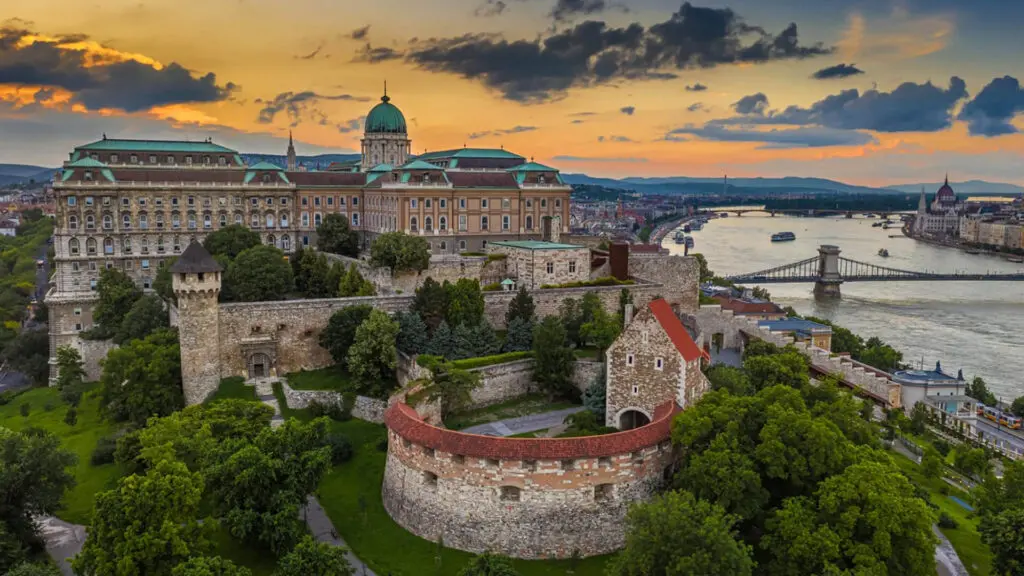
Standing above the Danube on Castle Hill, Buda Castle (Budavári Palota) is one of Budapest’s defining landmarks. The palace complex has changed dramatically throughout its history. Medieval royal residences once stood here, and the site was repeatedly expanded, damaged and rebuilt as Hungary passed through different historical periods.
Today, the palace complex is home to major cultural institutions including the Hungarian National Gallery (Magyar Nemzeti Galéria) and the Budapest History Museum (Budapesti Történeti Múzeum). You don’t necessarily need a museum ticket to enjoy the Castle District. Walking around the palace courtyards and surrounding streets gives you beautiful views over Pest and the Danube.
If you’re interested in understanding how Buda developed from a medieval royal centre into part of today’s capital, you can also read my guide to the History of Budapest.
Travel tip: Allow extra time for the entire Castle District rather than visiting the palace alone.
2. Fisherman’s Bastion – Halászbástya

A short walk from Buda Castle brings you to one of Budapest’s most photographed landmarks: Fisherman’s Bastion (Halászbástya). Despite its medieval appearance, the structure you see today was built around the turn of the 20th century. Its seven towers symbolise the seven Magyar tribes traditionally associated with the Hungarian conquest of the Carpathian Basin.
The biggest reason to visit is the view. From the terraces, you can look directly across the Danube towards the Hungarian Parliament, making this one of the classic Budapest viewpoints. Parts of Fisherman’s Bastion can be explored freely, while access to some upper areas may require a ticket.
Best for: Budapest panoramas, photography and combining with Matthias Church.
3. Matthias Church – Mátyás-templom
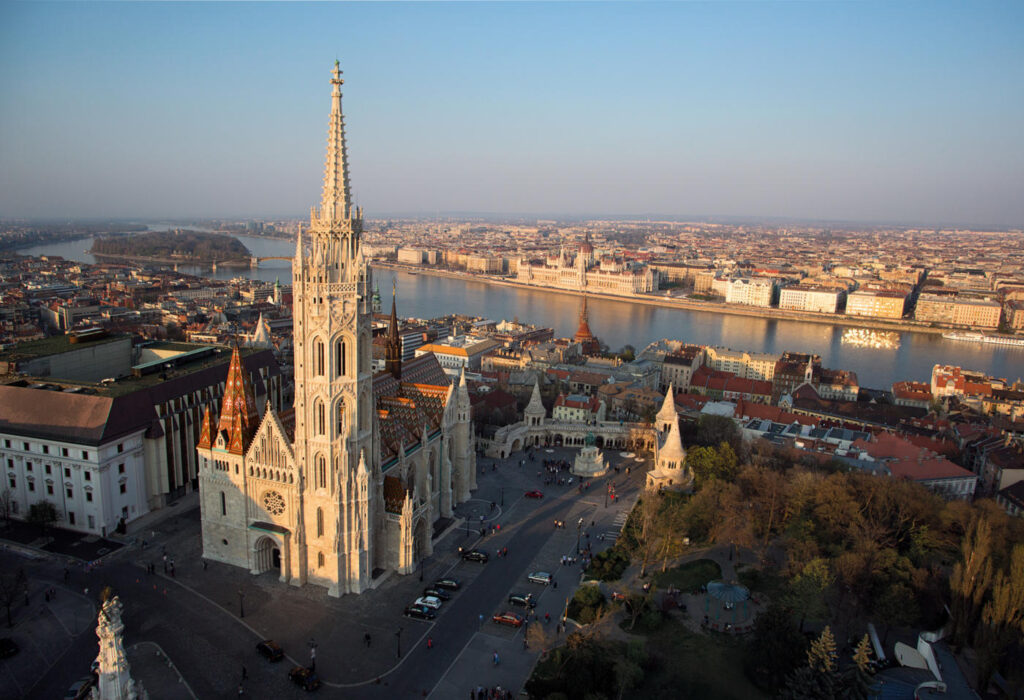
Beside Fisherman’s Bastion stands Matthias Church (Mátyás-templom), officially the Church of Our Lady of Buda. The church has centuries of history and has been connected with major royal events, including Hungarian coronations. Its colourful tiled roof makes it one of the easiest Budapest landmarks to recognise.
The interior can be visited with a ticket, but even if you don’t go inside, the church and surrounding Holy Trinity Square are worth seeing as part of a Castle District walk. This is also a good example of why I prefer connecting exam facts with actual places. A Hungarian name like Mátyás-templom is much easier to remember once you can picture the building.
Gellért Hill and the Danube
The next two national attractions are located around Gellért Hill on the Buda side.
4. Citadel – Citadella
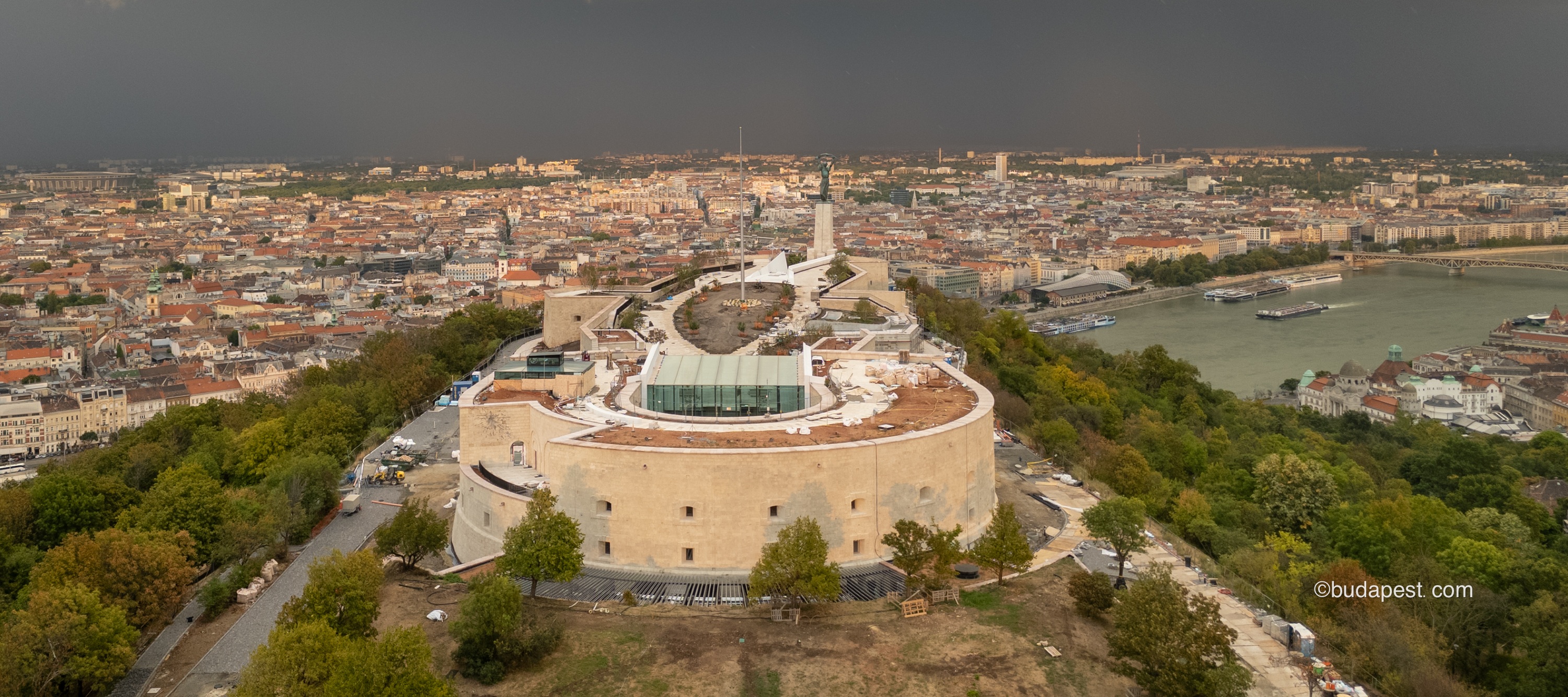
The Citadella sits high above Budapest on Gellért Hill. It was constructed by the Habsburg authorities after the Hungarian Revolution and War of Independence of 1848–49, giving the fortress a very different historical background from the royal buildings of the Castle District.
Gellért Hill is also important because of its panoramic position above the Danube. From this part of Buda, you can understand Budapest’s geography particularly well: the hills of Buda on one side, flatter Pest on the other and the Danube separating them. If you’re studying Hungarian history alongside these attractions, connect the Citadella with the period after the 1848–49 Revolution and War of Independence rather than trying to memorise it as an isolated building.
Best for: History, views and understanding Budapest’s geography.
5. Gellért Thermal Baths – Gellért Gyógyfürdő

At the foot of Gellért Hill stands Gellért Thermal Bath (Gellért Gyógyfürdő), one of Budapest’s most famous historic thermal bath complexes. The bath opened in 1918 and became particularly well known for its Art Nouveau architecture, decorative interiors and thermal pools.
However, there is an important update for anyone using this article as a travel guide: Gellért Thermal Bath is currently closed for renovation. It closed on 1 October 2025, and the planned reopening is in 2028. You can still recognise the building as one of Budapest’s historic landmarks, but you cannot currently visit the bath itself. If you’re planning a thermal-bath experience during your Budapest trip, check current options elsewhere in the city rather than arriving at Gellért expecting to swim.
2026 travel status: Closed for renovation; planned reopening in 2028.
Along the Danube
Some of Budapest’s most recognisable landmarks sit directly beside—or across—the Danube.
This part of the city is particularly impressive because several sections of Budapest’s Danube riverbanks, together with the Buda Castle Quarter and Andrássy Avenue, form part of Budapest’s UNESCO World Heritage property.
6. Parliament – Parlament

Few buildings represent Budapest as instantly as the Hungarian Parliament Building. Standing on Kossuth Lajos Square beside the Danube, the enormous Neo-Gothic building is one of the defining features of the Budapest skyline. It is the seat of Hungary’s National Assembly, but it also has enormous cultural importance because the Holy Crown of Hungary – Szent Korona is kept inside.
Visitors can take official guided tours of the Parliament, subject to availability and current visitor arrangements. Even without going inside, walk around Kossuth Lajos tér and view the building from across the Danube.
Best for: Architecture, Hungarian history and one of the classic Budapest photographs.
7. Széchenyi Chain Bridge – Széchenyi Lánchíd
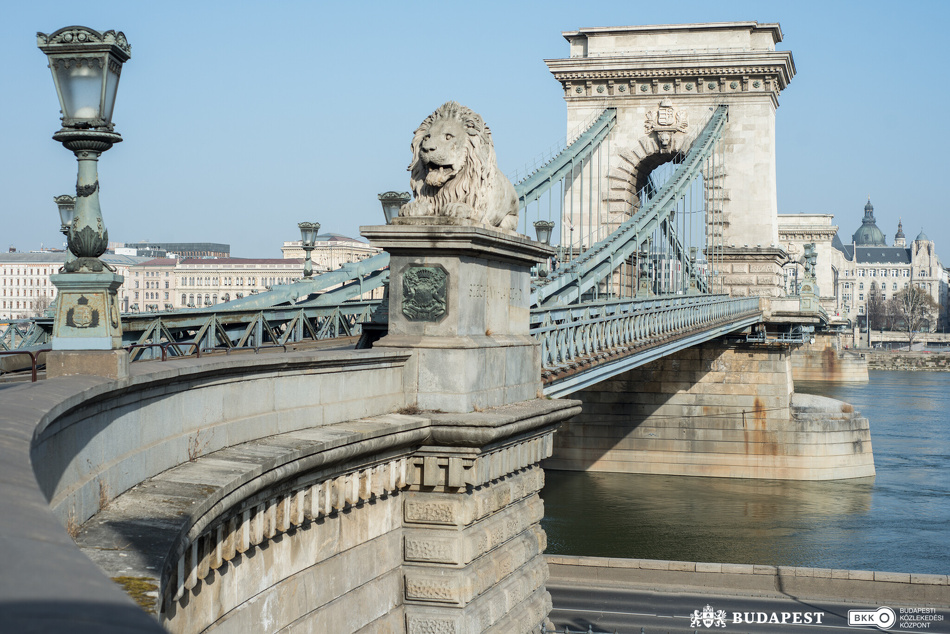
The Széchenyi Chain Bridge (Széchenyi Lánchíd) connects Buda and Pest across the Danube. Opened in 1849, it was the first permanent bridge linking the two sides of the city across the Danube and became an important symbol of Hungary’s modernisation.
The bridge is closely associated with Count István Széchenyi (Széchenyi István), one of the major figures of Hungary’s Reform Era. Today, walking across the Chain Bridge is one of the simplest ways to experience the relationship between Buda and Pest. From the bridge, you have views towards Buda Castle, the Danube riverbanks and central Pest.
Best for: Walking between Buda and Pest and evening views.
Central Pest
Several national attractions can be visited while exploring central Pest.
8. St. Stephen’s Basilica – Szent István Bazilika
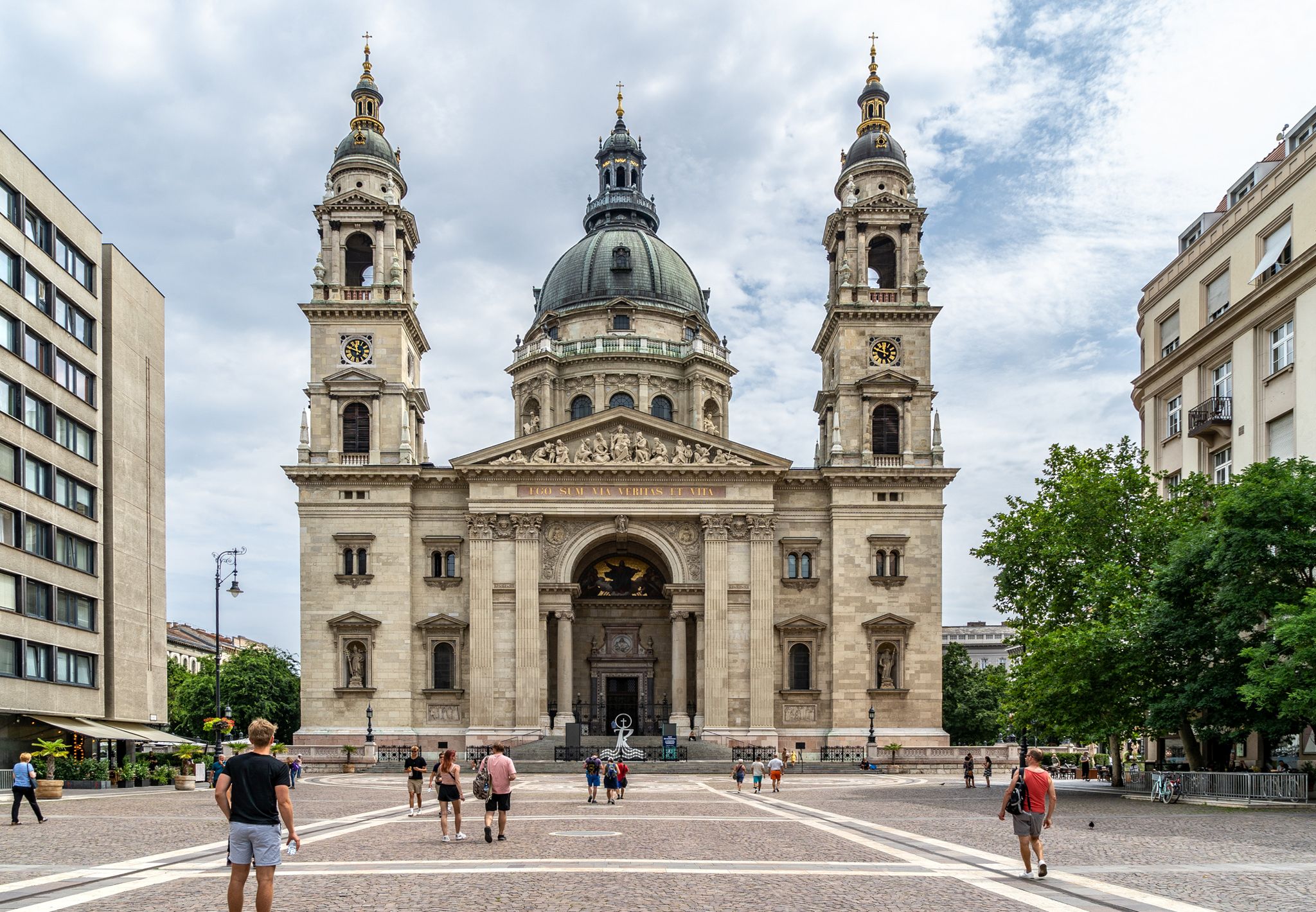
St. Stephen’s Basilica (Szent István-bazilika) is one of Budapest’s most important religious landmarks. It is named after Saint Stephen – Szent István, Hungary’s first king and a central figure in the foundation of the Christian Hungarian state. The basilica also houses the Holy Right – Szent Jobb, the relic traditionally identified as Saint Stephen’s preserved right hand. This creates another useful exam connection:
Szent István → first king of Hungary → Christian Hungarian state → Szent István-bazilika → Szent Jobb
Visitors can explore the church and, depending on the ticket and current access arrangements, visit the panoramic dome area. The square outside is also one of central Budapest’s most attractive pedestrian areas.
Best for: Hungarian history, religious heritage and panoramic views.
9. Hungarian State Opera House – Magyar Állami Operaház
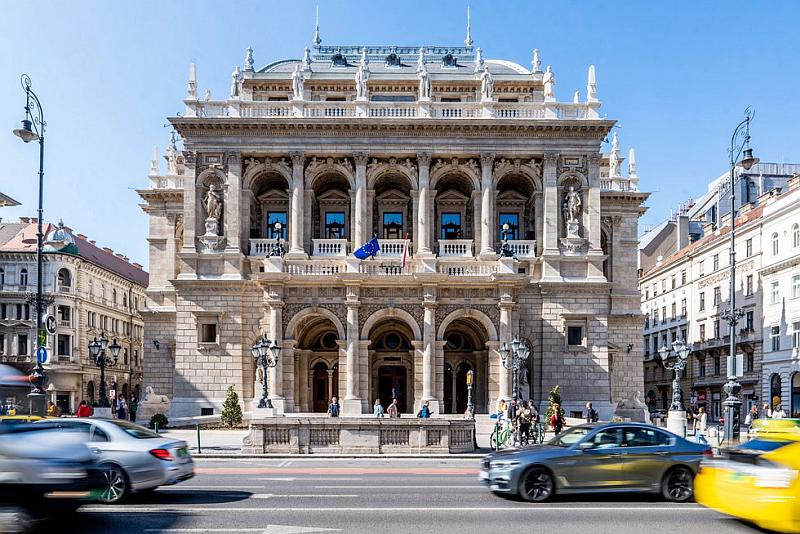
Continue towards Andrássy Avenue and you’ll reach the Hungarian State Opera House (Magyar Állami Operaház). Designed by Hungarian architect Miklós Ybl, the Neo-Renaissance building opened in 1884 and remains one of Hungary’s most important performing arts venues. This attraction also connects naturally with another Cultural Knowledge Exam topic: Hungarian literature and music history.
Instead of simply memorising the Hungarian name, associate the Opera House with Budapest’s broader musical heritage. You can explore more of the figures you’ll need to know in my Hungarian Literature and Music guide. If you enjoy architecture but don’t have time for an evening performance, check whether guided visits are available during your trip.
Best for: Architecture, opera and Hungarian cultural history.
10. Hungarian National Museum – Magyar Nemzeti Múzeum
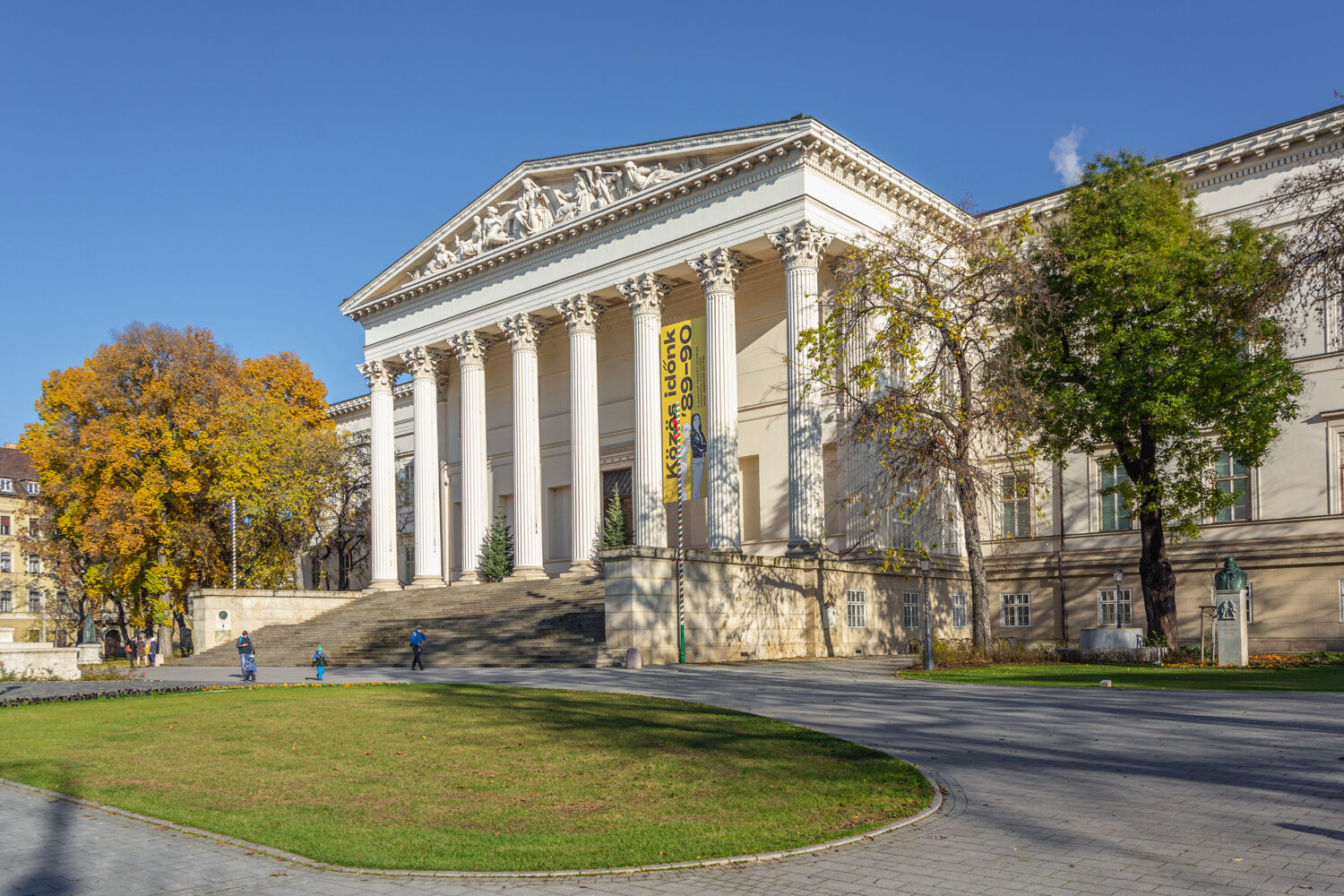
The Hungarian National Museum (Magyar Nemzeti Múzeum) is one of the most important places in Budapest for understanding Hungarian history. Its collections cover major periods of the country’s past, making it particularly relevant if you’re visiting Budapest because you’re interested in Hungarian history rather than simply sightseeing.
The museum also has a strong connection with the Revolution of 1848. The National Museum and the square in front of it became closely associated with the events of 15 March 1848. This makes it another useful study connection:
Magyar Nemzeti Múzeum → 15 March → 1848 Revolution
If you have been studying names such as Petőfi Sándor and the Nemzeti dal, seeing the museum helps bring that period of Hungarian history together.
Best for: Hungarian history and understanding the Cultural Knowledge Exam beyond memorisation.
Heroes’ Square and City Park
Several of the 14 national attractions are concentrated around Heroes’ Square and City Park (Városliget).
This makes it one of the easiest areas to turn into a half-day Budapest itinerary.
11. Heroes’ Square – Hősök tere
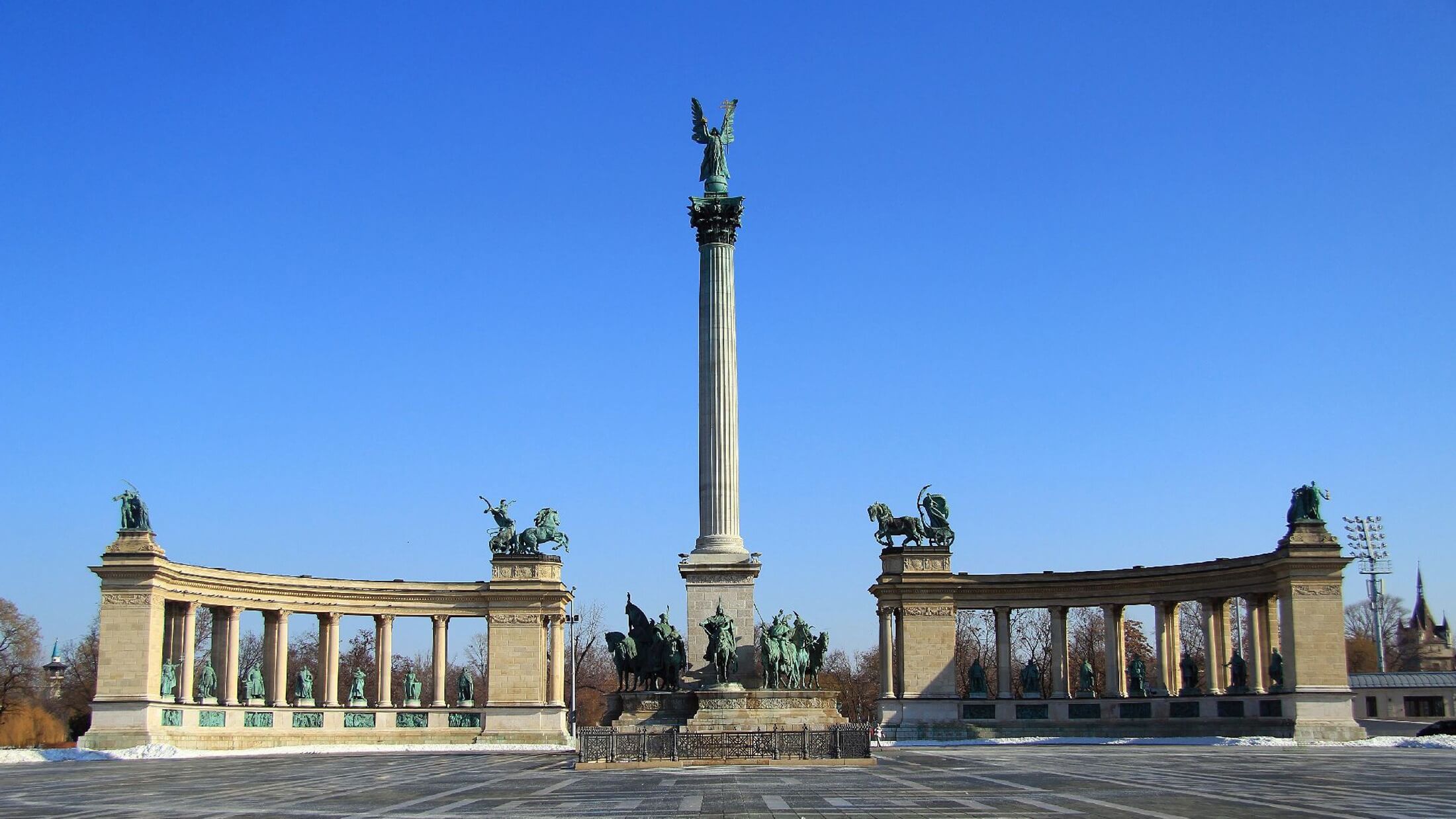
Heroes’ Square (Hősök tere) is one of Budapest’s most important monumental public spaces. At its centre stands the Millennium Monument, dominated by a tall column topped by the Archangel Gabriel. Around it are statues representing important figures from Hungarian history. The square was developed as part of Hungary’s Millennium celebrations commemorating one thousand years since the Hungarian conquest of the Carpathian Basin.
At the base of the central monument, you’ll see figures representing the seven Magyar chieftains, with Árpád in the central position. Heroes’ Square is therefore much more meaningful if you’ve already studied early Hungarian history.
Best for: Hungarian history, monumental architecture and combining with City Park.
12. Museum of Fine Arts – Szépművészeti Múzeum
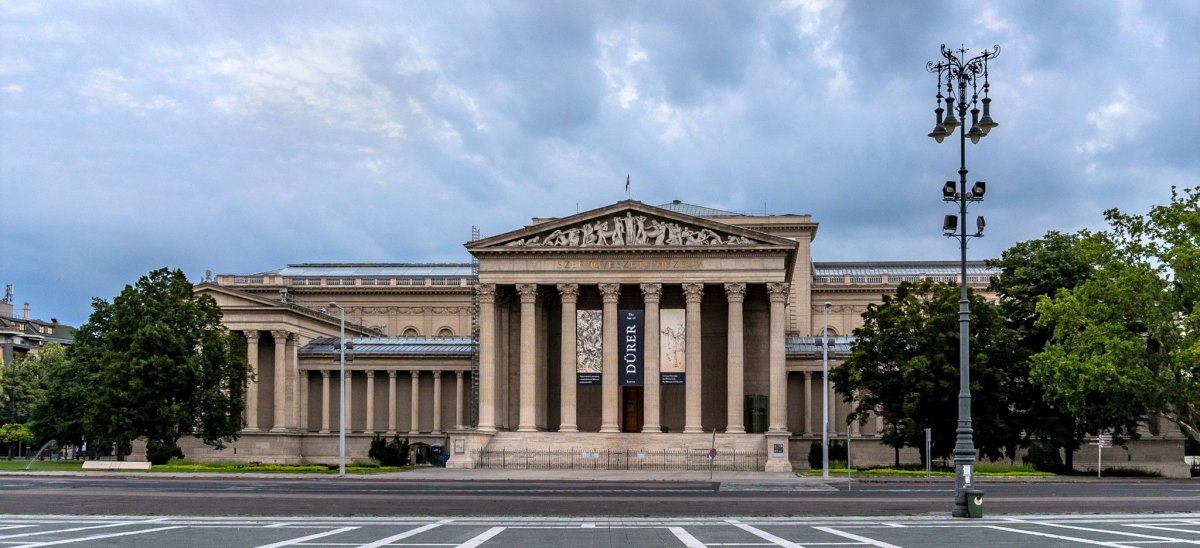
Facing Heroes’ Square is the Museum of Fine Arts (Szépművészeti Múzeum).
The museum houses major collections of European and ancient art and is one of Hungary’s principal art institutions.
If you’re visiting Heroes’ Square, you don’t need additional transport to see it—the museum forms part of the architectural setting of the square itself.
For travellers interested in art, this is one of the attractions on the official exam list where you could easily spend several hours rather than simply stopping for a photograph.
Best for: European art, culture and a rainy-day Budapest activity.
13. Vajdahunyad Castle – Vajdahunyad vára
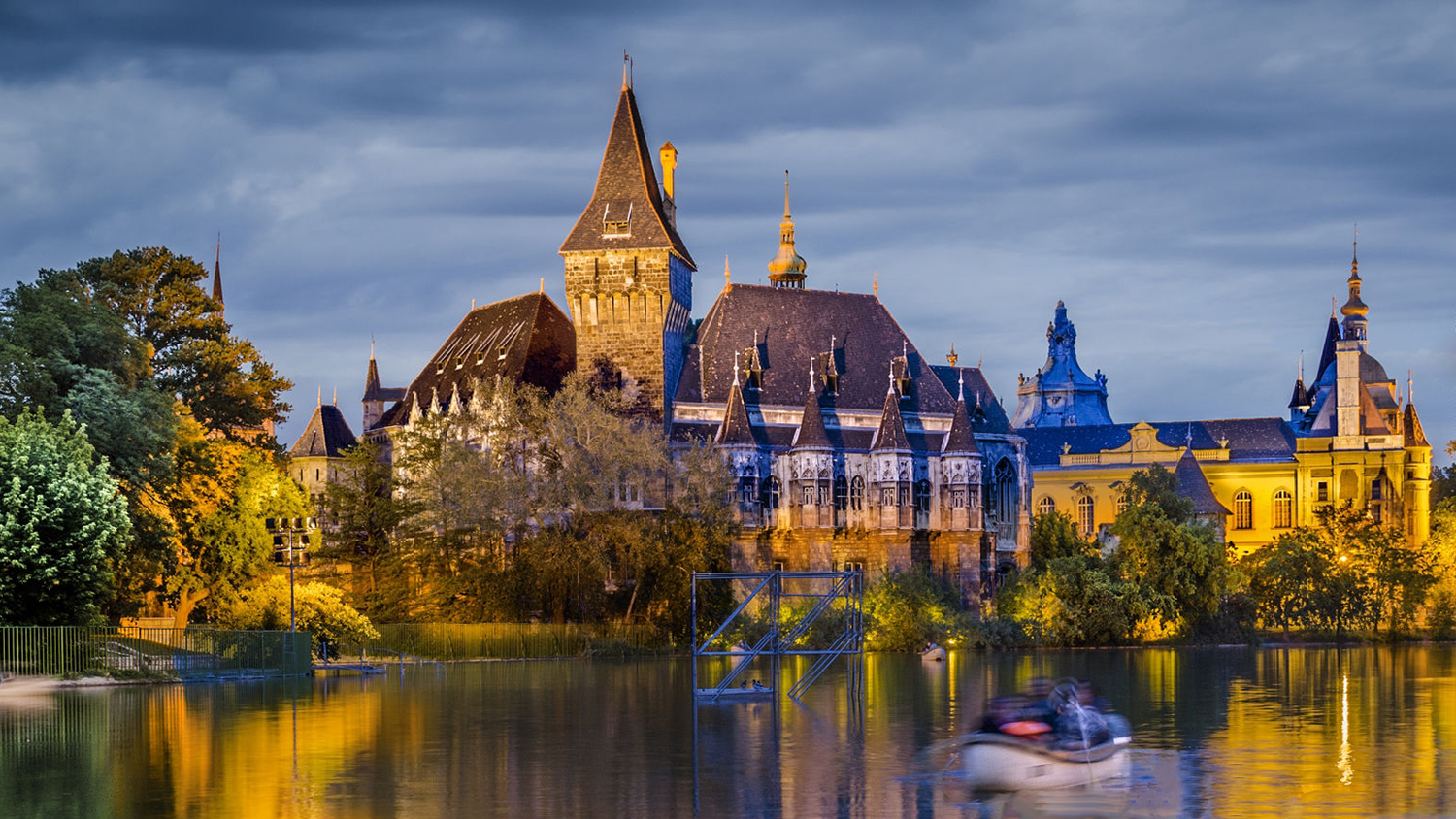
Walk behind Heroes’ Square into City Park and you’ll soon reach Vajdahunyad Castle (Vajdahunyad vára). The complex was originally created for Hungary’s 1896 Millennium celebrations and incorporates architectural elements inspired by different periods and buildings from the historical Kingdom of Hungary.
Because the original temporary complex proved so popular, it was later rebuilt using permanent materials. Today, the castle houses the Museum of Hungarian Agriculture. Even if you don’t enter the museum, the exterior, courtyard and lakeside setting make Vajdahunyad one of the most enjoyable attractions on this list to explore casually.
Best for: Architecture, photography and combining with a City Park day.
If you’re travelling with children, City Park is particularly useful because you can combine sightseeing with Városliget Main Playground, one of our favourite playgrounds in Budapest.
14. Hungarian Music House – Magyar Zene Háza
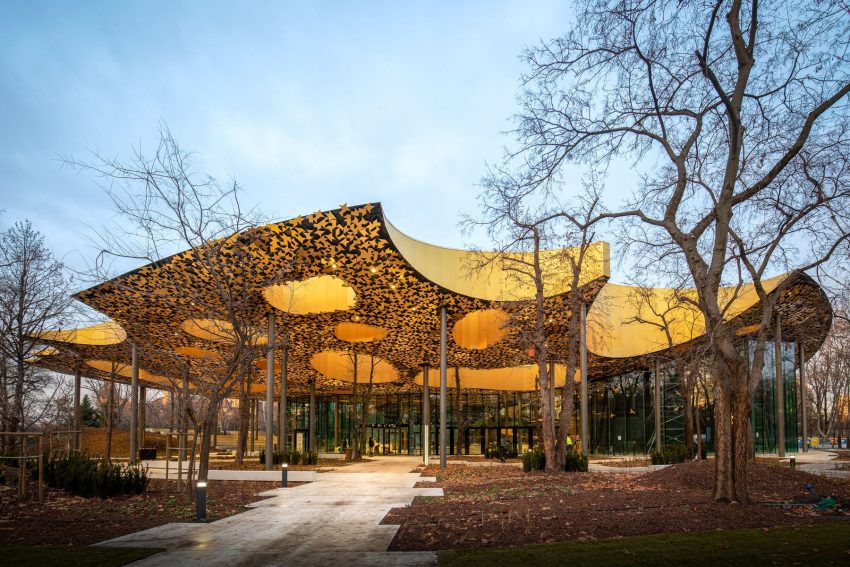
Also inside City Park is the much newer House of Music Hungary (Magyar Zene Háza). Opened in 2022, the building was designed by Japanese architect Sou Fujimoto and has become a distinctive modern addition to Városliget. Unlike most landmarks on this list, this isn’t primarily about historic architecture. The House of Music is an interactive cultural institution dedicated to music, with exhibitions, concerts, educational activities and other programmes.
Its permanent exhibition explores music across different periods and cultures and typically takes around two hours to visit. This is another excellent place to connect travel with Cultural Knowledge Exam preparation because Hungarian music history forms a separate part of the exam.
If you’re studying composers such as Liszt Ferenc, Bartók Béla, Kodály Zoltán and Erkel Ferenc, read my Hungarian Literature and Music guide before or after visiting.
Best for: Music, interactive exhibitions, modern architecture and families.
More Budapest Travel Guides on Szia Soul
Learning about Budapest for the Cultural Knowledge Exam was one reason I started looking more closely at the history behind places I was already seeing around the city.
If you’re visiting Budapest rather than studying for the exam, continue with my History of Budapest to understand the city behind the landmarks. Families can also explore my Best Playgrounds in Budapest, while my Budapest Bucket List contains more places I want to discover around the city.
And if you’re preparing for the Cultural Knowledge Exam, start with my complete Hungarian Cultural Knowledge Exam guide, where I explain how I prepared for three months and scored 30/30.
Final Thoughts
These 14 Budapest national attractions are only a small part of what the Hungarian capital has to offer. They shouldn’t be confused with a definitive list of the best things to do in Budapest. There are thermal baths, markets, cafés, parks, viewpoints, children’s attractions, neighbourhoods and less-famous places that deserve their own guides.
What makes these particular landmarks special is their connection with Hungarian national history and culture. Together, they take you from medieval Buda and Saint Stephen to the 1848 Revolution, Hungary’s Millennium celebrations, the development of modern Budapest and the country’s artistic and musical heritage.
That makes them worth learning for the Cultural Knowledge Exam—but also worth actually visiting. For me, seeing Budapest in everyday life has made many of the facts I studied for the exam much easier to understand. Instead of remembering 14 disconnected Hungarian names, I can connect them with places, stories and different parts of the city.
And that is exactly how I would recommend exploring Budapest: not simply collecting attractions, but understanding why they matter.