

Hungarian literature has produced some of the country’s most important cultural figures, from Renaissance poets such as Janus Pannonius to Sándor Petőfi, János Arany, Endre Ady, Attila József and other writers whose works remain an important part of Hungarian cultural identity.
Hungary also has a remarkable musical tradition. Ferenc Liszt, Ferenc Erkel, Béla Bartók and Zoltán Kodály are among the Hungarian composers whose influence extended far beyond the country’s borders.
I originally started studying these names because Hungarian and European literature and music history are part of the Magyar Kulturális Ismereti Vizsga. I prepared for the exam for around three months before taking it in Budapest in April 2026, where I scored 30/30.
If you’re preparing for the same exam, you don’t need to become an expert in Hungarian literary history. What helped me was learning to connect each important person with their period and one major work.
This guide follows that approach while also providing a broader introduction to Hungarian literature and music for anyone interested in Hungarian culture.
Hungarian Literature at a Glance
Hungarian literature stretches across centuries and includes poetry, novels, drama and political writing. For Cultural Knowledge Exam preparation, the official study material divides important literary figures into several periods.
The main periods and figures worth recognising are:
- Renaissance: Janus Pannonius, Bálint Balassi
- Baroque: Miklós Zrínyi
- Enlightenment: Mihály Csokonai Vitéz, János Batsányi
- Classicism and language reform: Ferenc Kazinczy, Dániel Berzsenyi
- Romanticism and the 19th century: Ferenc Kölcsey, Mihály Vörösmarty, Sándor Petőfi, János Arany, Mór Jókai, József Katona, Imre Madách
- 20th century: Endre Ady, Zsigmond Móricz, Dezső Kosztolányi, Frigyes Karinthy, Attila József, Miklós Radnóti and Sándor Márai
Rather than memorising this as one enormous list, it makes much more sense to follow the development of Hungarian literature chronologically.
Prominent artists and their most famous works – Kiemelkedő alkotók és leghíresebb műveik
Erkel Ferenc – Bánk bán opera
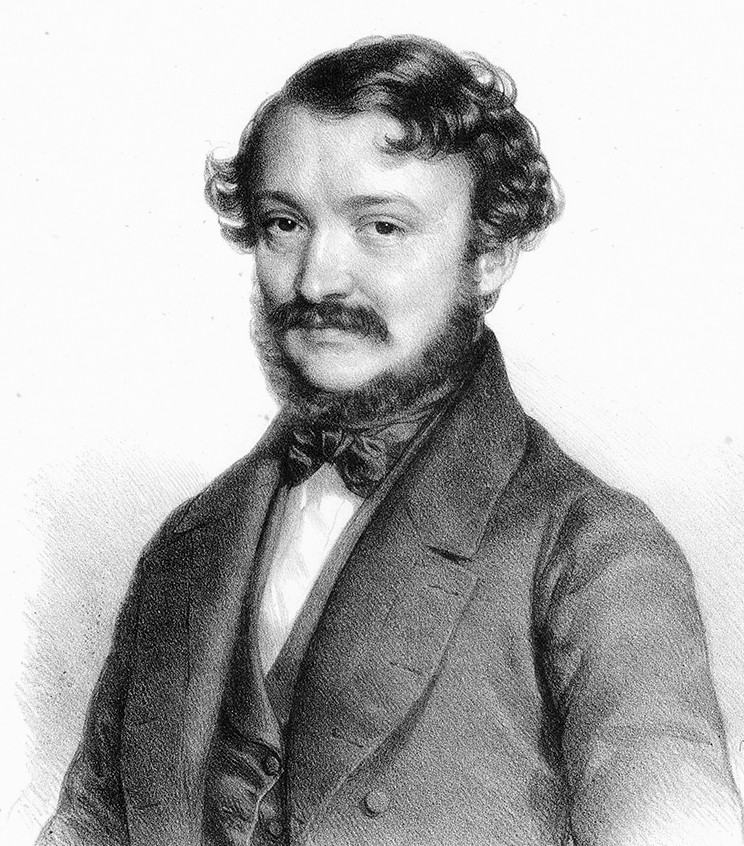
Liszt Ferenc – Magyar rapszódiák

Kodály Zoltán – Háry János

Bartók Béla – A kékszakállú herceg vára

Prominent figures – kiemelkedő alakjai
Renaissance literature – A reneszánsz irodalom
Janus Pannonius: Pannónia dicsérete

Balassi Bálint: Hogy Júliára talála, így köszöne néki

Baroque literature – A barokk irodalom
Zrínyi Miklós: Szigeti veszedelem

The literature of the Enlightenment – A felvilágosodás irodalmának
Csokonai Vitéz Mihály: A reményhez
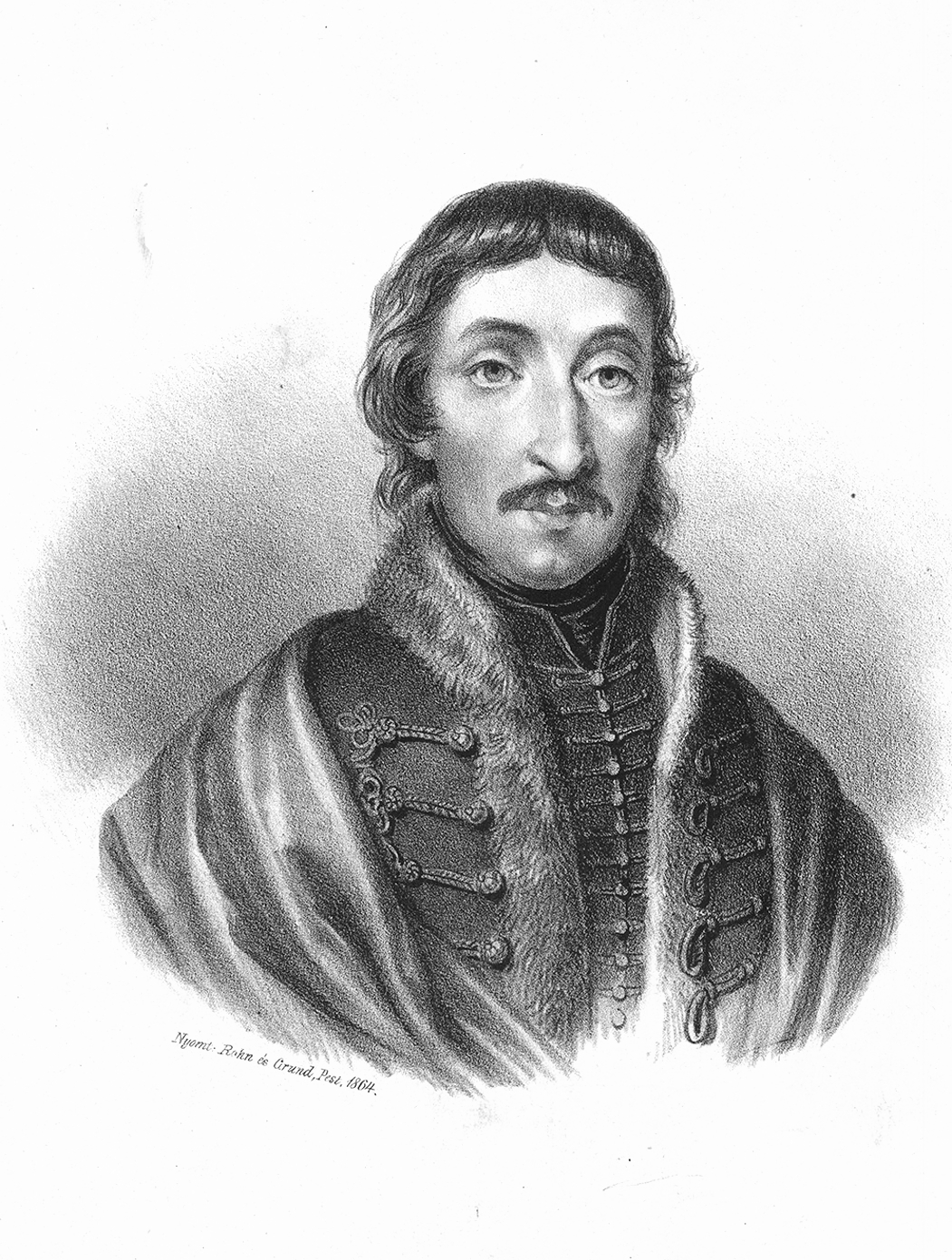
Batsányi János: A franciaországi változásokra

Classicist literature – A klasszicista irodalom
Kazinczy Ferenc (a hazai nyelvújítás vezéralakja)
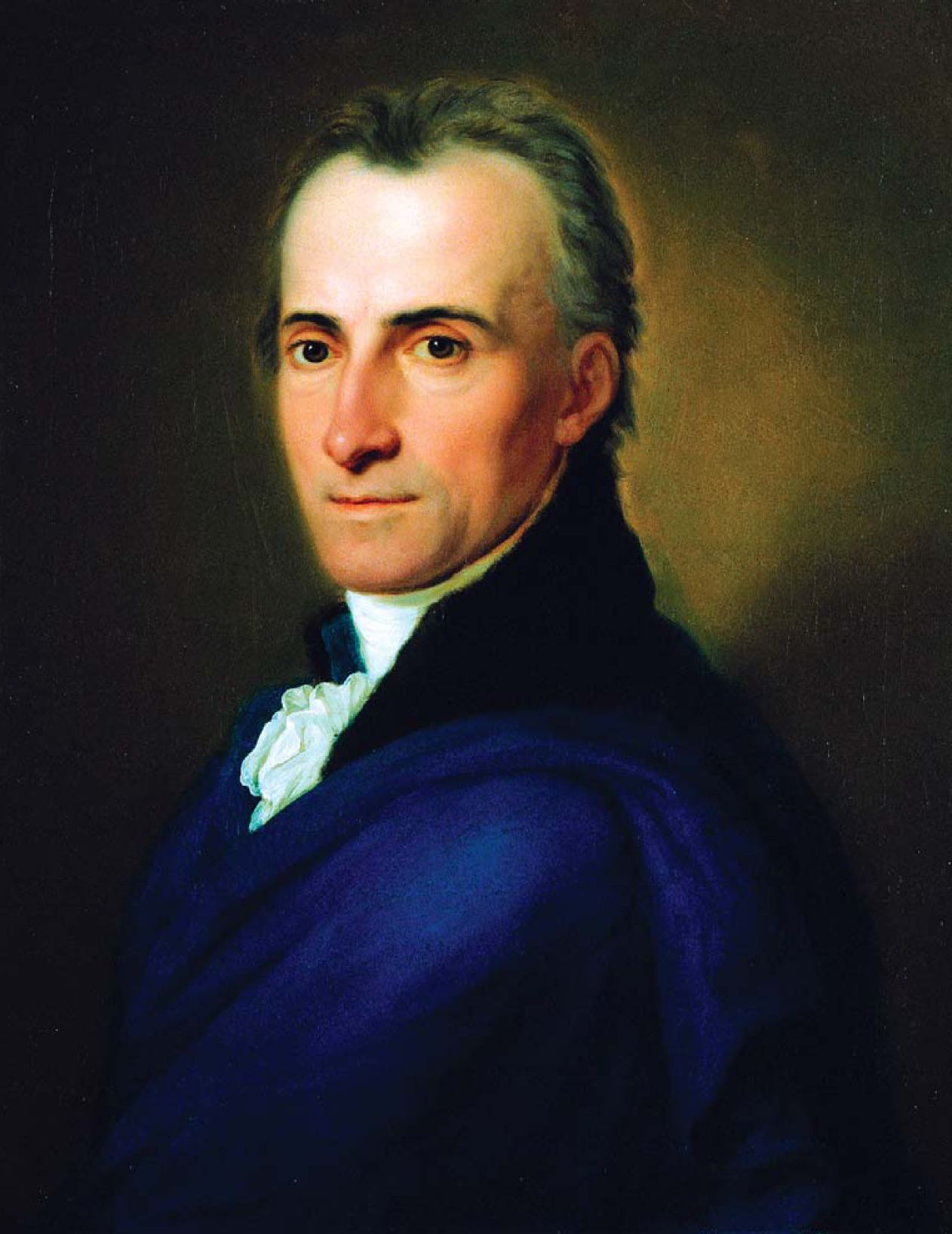
Berzsenyi Dániel: Az első szerelem

Romance – A romantika
The 1820s were characterized by the close intertwining of politics and literature, and Pest-Buda became the literary center of the country. Newspapers and magazines were launched, the Hungarian Academy of Sciences began its operations, and in 1837 the Hungarian Theatre of Pest, the predecessor of the National Theatre, opened its doors.
Az 1820-as éveket a politikai és az irodalom szoros összefonódása jellemezte, ekkor vált Pest-Buda az ország irodalmi középpontjává. Újságok,
folyóiratok indultak, megkezdte működését a Magyar Tudományos Akadémia, 1837-ben pedig megnyitotta kapuit a Nemzeti Színház elődje, a
Pesti Magyar Színház.
Prominent figures and a significant work – Kiemelkedő alakjai és egy jelentős művük
- Ferenc Kölcsey: Anthem
- Mihály Vörösmarty: Prologue
- Sándor Petőfi: National Song
- Mór Jókai: Sons of a Stone-Hearted Man
- János Arany: The Welsh Bards
- József Katona: The Bánk bán
- Imre Madách: The Tragedy of Man
- Kölcsey Ferenc: Himnusz
- Vörösmarty Mihály: Szózat
- Petőfi Sándor: Nemzeti dal
- Jókai Mór: A kőszívű ember fiai
- Arany János: A walesi bárdok
- Katona József: Bánk bán
- Madách Imre: Az ember tragédiája
Prominent poets and writers of the 20th century and their significant works: – A 20. század kiemelkedő költői, írói és egy jelentős művük
- Endre Ady: A farewell, a beautiful message
- Zsigmond Móricz: Relatives
- Dezső Kosztolányi: Sweet Anna
- Frigyes Karinthy: This is how you wrote
- Attila József: With a pure heart
- Miklós Radnóti: I can’t know…
- Sándor Márai: A citizen’s confession
- Ady Endre: Elbocsátó, szép üzenet
- Móricz Zsigmond: Rokonok
- Kosztolányi Dezső: Édes Anna
- Karinthy Frigyes: Így írtok ti
- József Attila: Tiszta szívvel
- Radnóti Miklós: Nem tudhatom…
- Márai Sándor: Egy polgár vallomása
European literature and music – Az európai irodalom és zene
Prominent figures of European literature and one of their significant works:
- William Shakespeare: Romeo and Juliet
- Voltaire: Candide
- Johann Wolfgang von Goethe: Faust
Az európai irodalom kiemelkedő alakjai és egy jelentős művük:
- William Shakespeare: Rómeó és Júlia
- Voltaire: Candide
- Johann Wolfgang von Goethe: Faust
Prominent figures in European music and a significant work by them:
- Ludwig van Beethoven: Symphony No. 9 (the anthem of the European Union)
- Wolfgang Amadeus Mozart: The Magic Flute
- Pyotr Ilyich Tchaikovsky: Swan Lake
Az európai zene kiemelkedő alakjai és egy jelentős művük:
- Ludwig van Beethoven: IX. szimfónia (az Európai Unió himnusza)
- Wolfgang Amadeus Mozart: A varázsfuvola
- Pjiotr Iljics Csajkovszkij: A hattyúk tava
The melody that has become one of the symbols of the European Union is the fourth movement of Ludwig van Beethoven’s Symphony No. 9, premiered in 1824, and is a musical version of Friedrich von Schiller’s 1785 lyric poem, Die Meridian.
Az Európai Unió egyik jelképévé vált dallam Ludwig van Beethoven 1824-ben
bemutatott IX. szimfóniájának negyedik tétele, Friedrich von Schiller 1785-ös lírai
költeményének, az Örömódának a megzenésített változata.
Quick Hungarian Literature and Music Study List
If the complete article feels overwhelming, start with these particularly important associations:
Hungarian Literature
- Kölcsey Ferenc → Himnusz
- Vörösmarty Mihály → Szózat
- Petőfi Sándor → Nemzeti dal
- Arany János → A walesi bárdok
- Jókai Mór → A kőszívű ember fiai
- Katona József → Bánk bán
- Madách Imre → Az ember tragédiája
- Ady Endre → Elbocsátó, szép üzenet
- József Attila → Tiszta szívvel
- Radnóti Miklós → Nem tudhatom…
Hungarian Music
- Erkel Ferenc → Bánk bán + music of Himnusz
- Liszt Ferenc → Magyar rapszódiák
- Kodály Zoltán → Háry János
- Bartók Béla → A kékszakállú herceg vára
- Bartók + Kodály → Hungarian folk music research
I would learn these associations first and then add the remaining names.
How I Studied Hungarian Literature for the Cultural Knowledge Exam
When I first looked at this part of the material, it felt like another long list of Hungarian names and titles to memorise.
What made it easier was creating connections between the different topics.
For example, I didn’t learn Petőfi Sándor only as the author of Nemzeti dal. I connected him with 15 March 1848 and the Hungarian Revolution.
I didn’t learn Kölcsey and Erkel independently either. I connected them through the Himnusz:
Kölcsey → words
Erkel → music
The same method worked with Katona and Erkel:
Katona József → Bánk bán, the drama
Erkel Ferenc → Bánk bán, the opera
I also learned the information in English first and then concentrated on recognising the Hungarian names and titles. This was the same strategy I used throughout my preparation, particularly for topics with a lot of unfamiliar Hungarian terminology.
You can read the complete approach in my Hungarian Cultural Knowledge Exam: How I Scored 30/30.
Practice Questions: Hungarian Literature and Music
Once you’ve studied the names above, test yourself:
- Ki írta a Himnuszt?
Who wrote the Himnusz?
Answer: Kölcsey Ferenc. - Ki szerezte a Himnusz zenéjét?
Who composed the music of the Himnusz?
Answer: Erkel Ferenc. - Ki írta a Szózatot?
Who wrote the Szózat?
Answer: Vörösmarty Mihály. - Ki írta a Nemzeti dalt?
Who wrote the National Song?
Answer: Petőfi Sándor. - Ki írta A walesi bárdokat?
Who wrote The Bards of Wales?
Answer: Arany János. - Ki írta Az ember tragédiáját?
Who wrote The Tragedy of Man?
Answer: Madách Imre. - Ki írta a Bánk bán című drámát?
Who wrote the drama Bánk bán?
Answer: Katona József. - Melyik két zeneszerző volt a magyar népzenekutatás két híres képviselője?
Which two composers were famous representatives of Hungarian folk music research?
Answer: Bartók Béla és Kodály Zoltán. - Kihez kapcsolódnak a Magyar rapszódiák?
Who is associated with the Hungarian Rhapsodies?
Answer: Liszt Ferenc. - Kihez kapcsolódik A kékszakállú herceg vára?
Who is associated with Bluebeard’s Castle?
Answer: Bartók Béla.
For more practice, continue with my Magyar Kulturális Ismereti Vizsga Questions & Answers, where I have collected real questions from exam experiences alongside English translations and answers.
What Should You Study Next?
Hungarian literature and music overlap with several other sections of the Cultural Knowledge Exam, so this is a good point to connect the different topics rather than studying them separately.
If you need to revise Kölcsey, Erkel, the Himnusz and Szózat, read my National Symbols and Holidays of Hungary guide.
For the legal part of the exam, continue with Fundamental Institutions of the Fundamental Law and my guide to Fundamental Rights in Hungary.
The next major section to study is Europe and Hungary in Everyday Life.
And if you’re only starting your preparation, begin with my complete Hungarian Cultural Knowledge Exam guide.
Final Study Advice
Hungarian literature can initially look like one of the most memory-heavy sections of the Cultural Knowledge Exam because there are so many unfamiliar names and titles.
I wouldn’t try to memorise the entire list in one session.
Start with the strongest connections: Kölcsey and the Himnusz, Vörösmarty and the Szózat, Petőfi and the Nemzeti dal, Arany and A walesi bárdok, Liszt and the Hungarian Rhapsodies, Bartók and Bluebeard’s Castle, and Kodály and Háry János.
Then gradually add the earlier literary periods and 20th-century authors.
Most importantly, connect the literature with the history you’re already studying. Petőfi makes much more sense when you connect him with 1848. Kölcsey and Vörösmarty are easier to remember when you connect them with Hungary’s national symbols. Bartók and Kodály become easier when you associate both with Hungarian folk music.
That approach turned a long list of names into a connected story for me, and it was much easier to recall when I took the exam.
 Szia Soul